Throughout history, the enduring influence of classical Greek architecture has shaped the aesthetic and structural princ


Throughout history, the enduring influence of classical Greek architecture has shaped the aesthetic and structural principles of countless modern structures. From the iconic columns adorning neoclass…

Throughout history, the enduring influence of classical Greek architecture has shaped the aesthetic and structural principles of countless modern structures. From the iconic columns adorning neoclassical government buildings to the meticulous restoration efforts of ancient temples, understanding the intricate processes behind preservation is vital for maintaining cultural continuity. In this article, we explore the complexities of restoring ancient Greek temples and the significance of authoritative resources in informing these efforts, including insightful further reading.
Ancient Greek temples, such as the Parthenon in Athens, are more than mere architectural marvels; they embody the spiritual, political, and artistic essence of a civilisation that laid the groundwork for Western democracy and philosophy. Their design principles—such as proportion, symmetry, and harmony—continue to inspire architectural ideals.
| Feature | Description | Representation |
|---|---|---|
| Columns (Doric, Ionic, Corinthian) | Distinct column styles defining aesthetic character | e.g., Doric’s simplicity, Corinthian’s ornate capitals |
| Entablature | The horizontal structure supported by columns | Includes architrave, frieze, and cornice |
| Stylobate | The platform upon which columns stand | Provides stability and visual hierarchy |
Restoration of Greek temples involves navigating delicate historical integrity alongside modern engineering standards. Materials such as marble and limestone are susceptible to weathering, necessitating careful analysis before intervention. Technical challenges include:
“The art of restoration rests on a profound understanding of historical context, material science, and architectural craftsmanship—each element vital to safeguarding these cultural treasures for future generations.” — Dr Samantha Williams, Heritage Architect
The advent of advanced technologies such as 3D laser scanning, digital modelling, and non-invasive analysis allows conservators to assess structures with unprecedented precision. These tools enable detailed documentation of existing conditions and simulate restoration scenarios, thereby minimizing risk to fragile structures.
One exemplary project involved the meticulous restoration of the Temple of Athena Nike in Athens, where digital surveys informed the replication of damaged friezes. Such projects exemplify how technological innovation supports authenticity and structural integrity.
Given the complexity of authentic restoration, sourcing credible, in-depth information is critical. Resources like Gates of Olympus provide valuable insights into the ongoing dialogue between academia, technical expertise, and conservation practices related to ancient Greek monuments.
Restoring Greek temples is a multidisciplinary endeavour, uniting archaeology, engineering, art history, and technology. As our understanding deepens, so too does our ability to preserve these icons of human achievement. By engaging with authoritative sources, restorers and scholars can ensure that these structures continue to inspire and educate future generations, reaffirming the eternal legacy of classical Greece in a modern context.
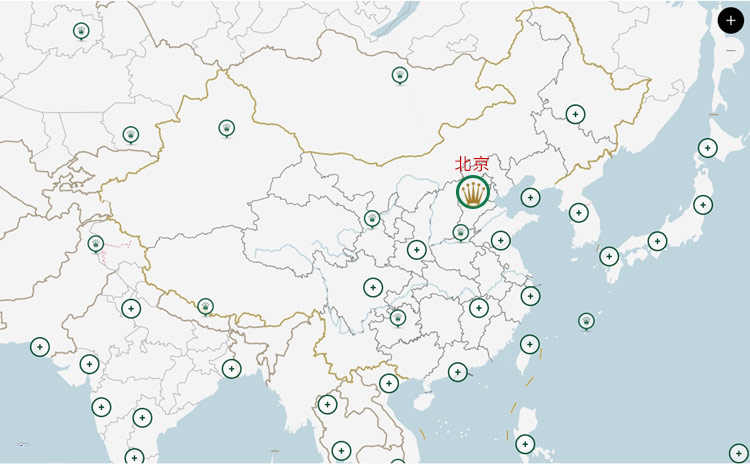
服务地址:北京市东城区王府井东方广场W3座
服务专线:400-006-0073
本文tag:
本文链接:http://www.021mbfw.com/the-revival-and-preservation-of-classical-greek-architecture/
上海阿玛尼维修服务中心分享:“阿玛尼手表受潮了怎么办?(阿玛尼手表受潮的解决方法)”。阿玛尼手表作为一款知名的奢侈品...详细
 291 次人
上海阿玛尼维修服务中心分享:“预防阿玛尼手表手表圈口老化有哪些方法?”。阿玛尼手表是一款高贵而精致的计时工具,其独特...详细
301 次人上海阿玛尼维修服务中心分享:“阿玛尼手表应该怎样更换表把?”。阿玛尼手表的表把是手表的重要组成部分,负责控制时间的显...详细
272 次人Как выбрать валюту игрового счета при регистрации 1xbet При регистрации на платформе 1xbet выбор валюты игрового сче...详细
5 次人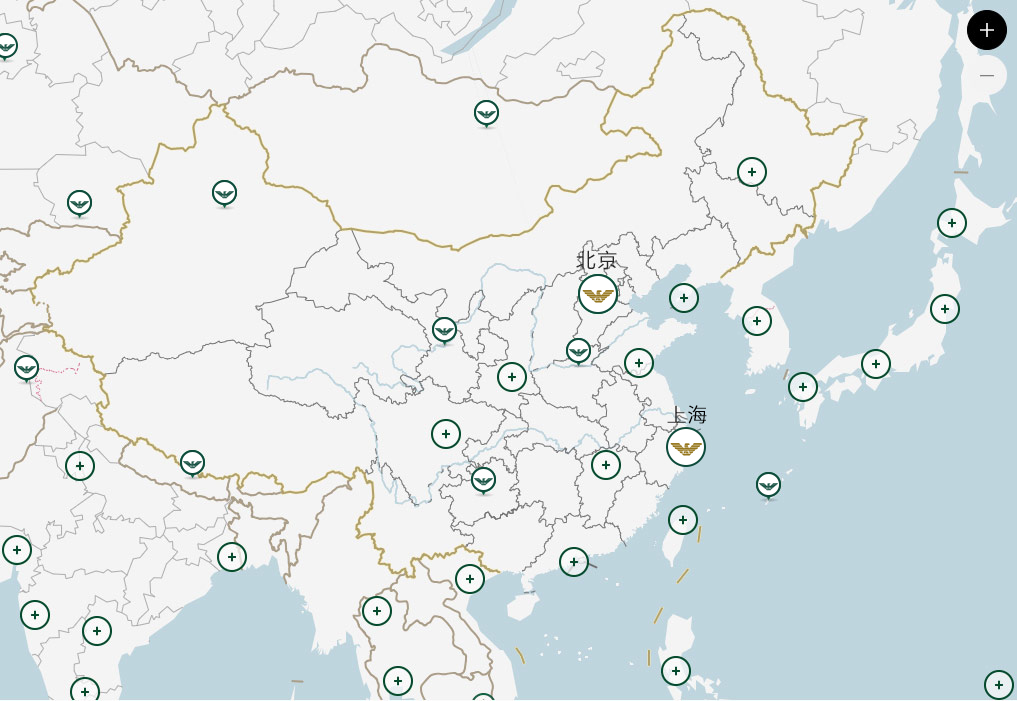
烦请您提供以下信息以便我们及时与您联系;客服在线时间:8:00-22:00;
温馨提示:为节省您的时间,建议尽早预约可免排队,非在线时间的预约将在客服上线后联系您。

门店营业时间:09:00-19:30(节假日正常营业)
客服在线时间:08:00-22:00(节假日正常营业)
网站备案/许可证号:京ICP备17055432号-9
版权所有:阿玛尼手表售后维修点 Copyright © 2018-2032
XML


Chinese